
“Your child has autism.”
Those words can bring a flood of emotions for any parent: Confusion, relief, fear, hope.
You knew your child had developmental differences and you took every step necessary to get to an answer.
But, now that you have one, you also have 500 new questions that came with the diagnosis.
What therapies will they need? Who should they go to? Will they be able to live independently?
An autism diagnosis doesn’t change who your child is or determine what their future will look like. Every child has different needs, and what works for one may not work for another.
But, there are a lot of options and it can be hard to know which direction to choose.
Your child deserves care that considers who they are, what they need, and what matters most to your family.
Before you click on another ad for ABA therapy or behavioral services, take a few minutes to read how Optimal Beginnings’ brings different services under one roof to help your child build the developmental skills they need and practice them in real-world situations.
ABA Therapy Can Support Your Child Without Forcing Them Into a Box
When it comes to finding the best support for your child, you want to know you’re making a decision that will help them thrive, both now and in the future.
You don’t want your child not to have access to learning and developmental services, but you also don’t want to bring them somewhere that will force them into a cookie-cutter system.
You want to make sure the place and people you choose considers your biggest concerns, listens to your family’s needs, and provides the best learning environment for your child to grow independently.
It can feel overwhelming hearing the stigmas surrounding behavioral services, especially ABA therapy. Maybe you’ve heard stories of kids with differences being isolated from their peers because they were “too much” or have seen videos of therapists trying to control a child from stimming or doing repetitive movements.
But ABA, while a seemingly clinical term, can have a meaningful, positive impact on your child’s future. It’s also a community full of resources to help you make informed decisions – much like this great e-book by Autism Society.
The right provider will work alongside your family to understand your child and what progress looks like for them.
Part of that is finding an ABA partner who can help you navigate the line parents have to walk between honoring their child’s specific needs and helping them live independently in the world around them.
How Optimal Beginnings Builds A Personalized Plan for Your Child
At OB, our first job is simply to listen, understand what’s happening, and help you figure out what, if anything, would make life easier.
We never rely on a diagnosis alone – it takes us getting to know your child through your eyes, our observations, and your family’s life experiences. Here’s our approach:
We Start by Listening to Parents and Caregivers
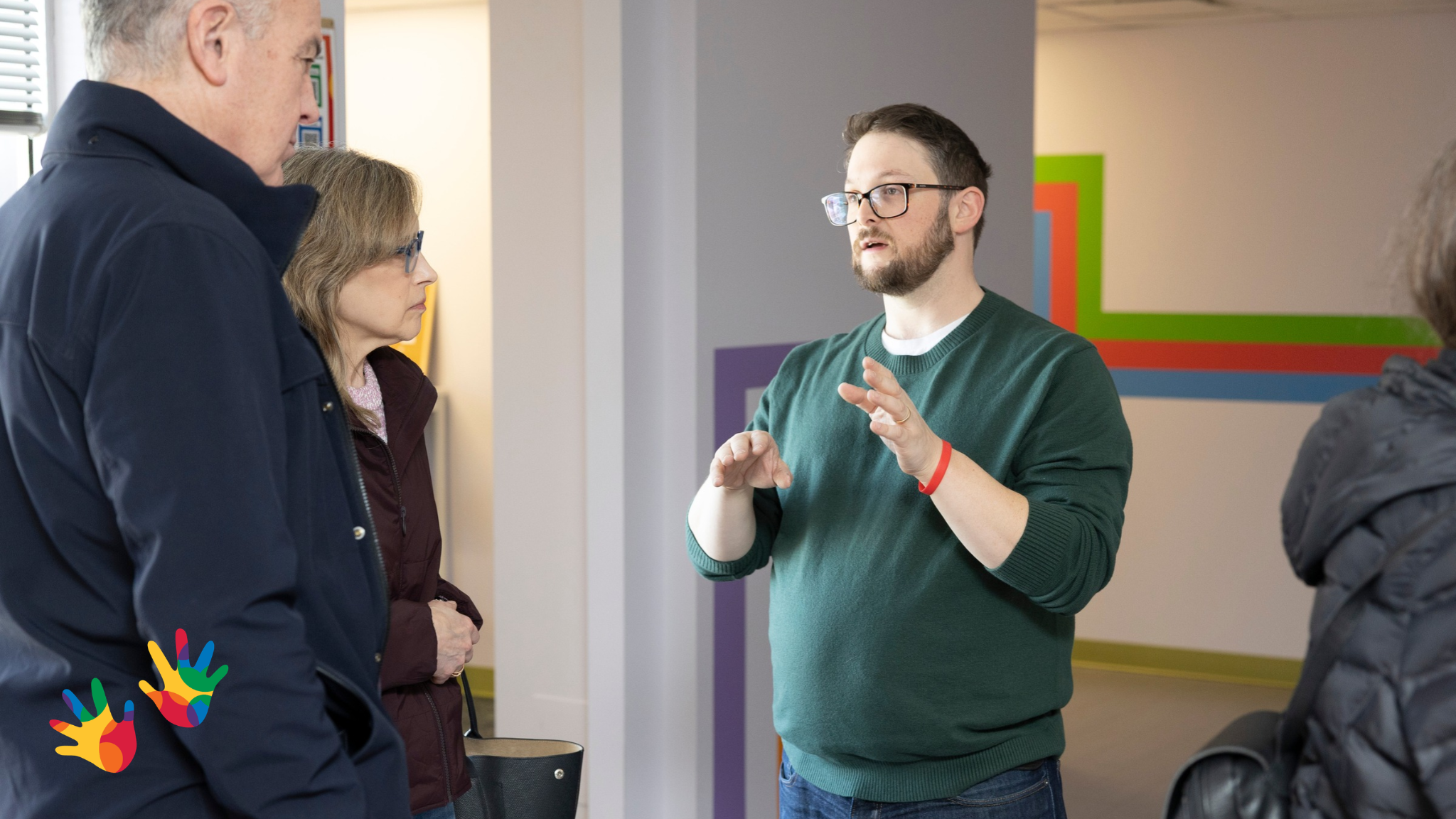
You know your child better than anyone. Rather than talking at families as if we know everything there is to know about their child, we meet you where you are and walk alongside you as a partner.
We listen to your concerns, learn from your experiences, and work toward the goals you set for your child and family.
A parent’s real experiences are the best thing they can come prepared with because everything else stems from that. Some of the best information we can gain about your child comes from the stories you share with us, rather than multi-page reports or generic documents.
Our intake forms ask the questions we need about medical history, family history, behavioral history, their development, their environment, and even their favorite and least favorite things to help us get to know your child first.
We Use Real Experiences to Personalize Your Child’s Individualized Learning Plan
We don’t assume we know what a child needs just because they have an autism diagnosis.
That’s why our Dynamic Assessment process begins by having conversations directly with the parents and caregivers. You know what lights your child up, what makes them upset, and what they want to be when they grow up. All of these things help us connect the dots between what your child needs and the learning plan we create.
From the first time your child and family come through our doors, we learn as much as we can about your child’s development, their needs, and what you’re experiencing at home. From there, we spend at least a week getting to know your child through direct observation, seeing how they learn, interact with other children, and adjust to our environment.
Our Board Certified Behavior Analysts use everything we’ve gathered to create a personalized treatment plan that focuses on the areas where your child needs support, rather than following a set checklist of goals that “fit the mold”.
This process results in a plan that supports your child’s own growth toward greater independence and helps your family carry that progress into everyday life.
We Integrate Individualized Learning with Group-Led Settings
Remember learning algebra in school and wondering when you’d ever use it outside the classroom?
We want to make sure the skills your child develops at OB have a meaningful place in their everyday life, too.
When creating an individualized learning plan for your child, we also consider how your child can use what they learn in everyday situations, communicate their needs, and thrive as citizens of society.
At OB, our integrated services bring together ABA, speech, psychology, parent coaching, and more to address your child’s needs from different angles. By working collaboratively, our team can connect the skills your child is developing and help them use those skills in different settings.
We also use a group-led model, so children have opportunities to learn alongside their peers rather than working in isolation. They practice social situations, communicating with others, and participating in group settings to build skills they can use in the real world.
Finding the Right Support For Your Child After an Autism Diagnosis
If you’re sitting on Google late at night trying to make sense of what your child needs most, you don’t have to have all the answers before you ask for help.
Start with what you know: what you’re noticing, what feels hard, what seems different, and what you wish were easier for your child or your family. A diagnosis, while useful information, doesn’t define your child or determine their future.
When you come to Optimal Beginnings, all of that information is where we start.
We meet you where you are at when you get here and work alongside your family to figure out what support makes sense for your child to help them grow toward greater independence.
Visit our website to learn more about our integrated services approach, or complete our intake form to get started as a new family with us.
To learn more about Optimal Beginnings and how Dr. Dana and our team can support your family, visit our website and fill out the intake form to get started today.