
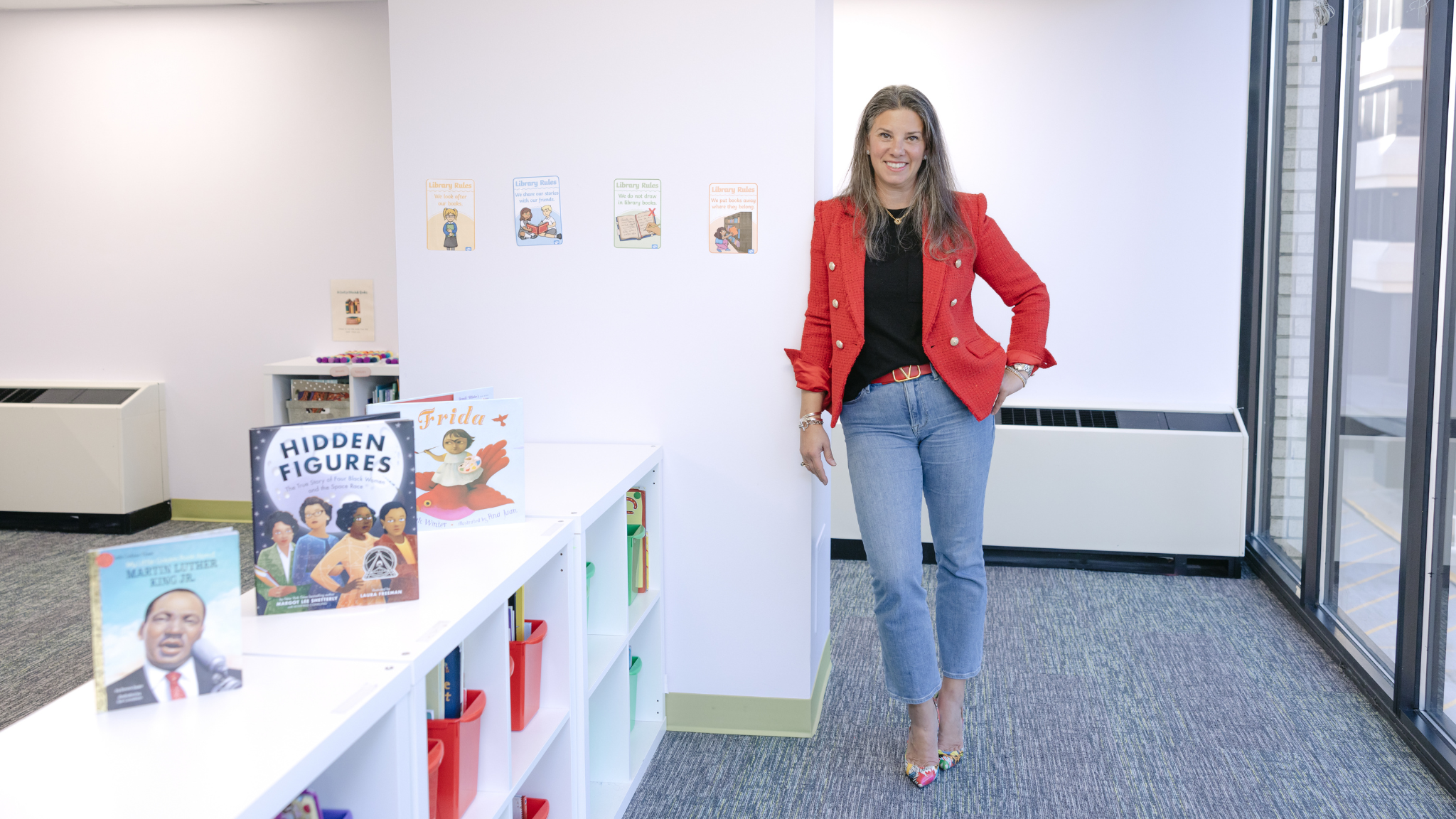
Keeping up with the changing needs of neurodivergent children and their families can feel like the weight of the world is on their shoulders, but that’s exactly the challenge OB has set out to meet.
Dr. Dana’s story is the foundation of everything at Optimal Beginnings: her vision, heart, and experience shaped the way OB supports families and children. If you don’t know her story yet, you can read it here.
Since then, OB hasn’t stood still.
As the needs of neurodivergent children and families have changed, Dana has led OB to adapt, grow, and innovate, creating programs and partnerships that go beyond traditional therapy.
See how OB continues to evolve with the community, respond to new challenges, and lead with care, clarity, and heart through the leadership of Dr. Dana.
Neurodivergence is Changing, Fast
The world of autism and neurodivergence has shifted dramatically over the last few years, and families are noticing.
Dr. Dana has seen the change firsthand: “Families today are asking for something different—something more aligned with who their children are.”
Kids aren’t fitting into one-size-fits-all labels anymore.
There are more complex profiles: ADHD, anxiety, learning differences, and executive functioning challenges all layered on top of autism.
“There’s a stronger movement toward identity-affirming care and a real desire for partnership instead of prescriptive treatment.”
Not only this, but with autistic adults now speaking up in new ways, it is shaping conversations around respect, autonomy, and long-term outcomes – making it feel like the whole field is growing up. It’s more thoughtful, more compassionate, and more focused on the real world and real world application of behavior.
How OB Stays Informed
Research is evolving too, with public conversations moving faster than science at times.
The team at Optimal Beginnings puts in the effort to stay informed and curious, without letting every new headline derail families.
“When something new hits the headlines, we slow down, read everything we can, talk as a team, and then give families clear, calm information.”
Diagnostic trends have definitely expanded, especially with PDA profiles, ADHD, and twice-exceptional kids. This evolution in understanding has shaped how we approach evaluations and make treatment planning more individualized.
At its heart, these shifts aren’t just about new labels or studies.
They’re about making care real and applicable in the everyday lives of kids and families, something Dana and her team have been building into OB from the very beginning.
Helping Parents Navigate the Frustrations of Insurance
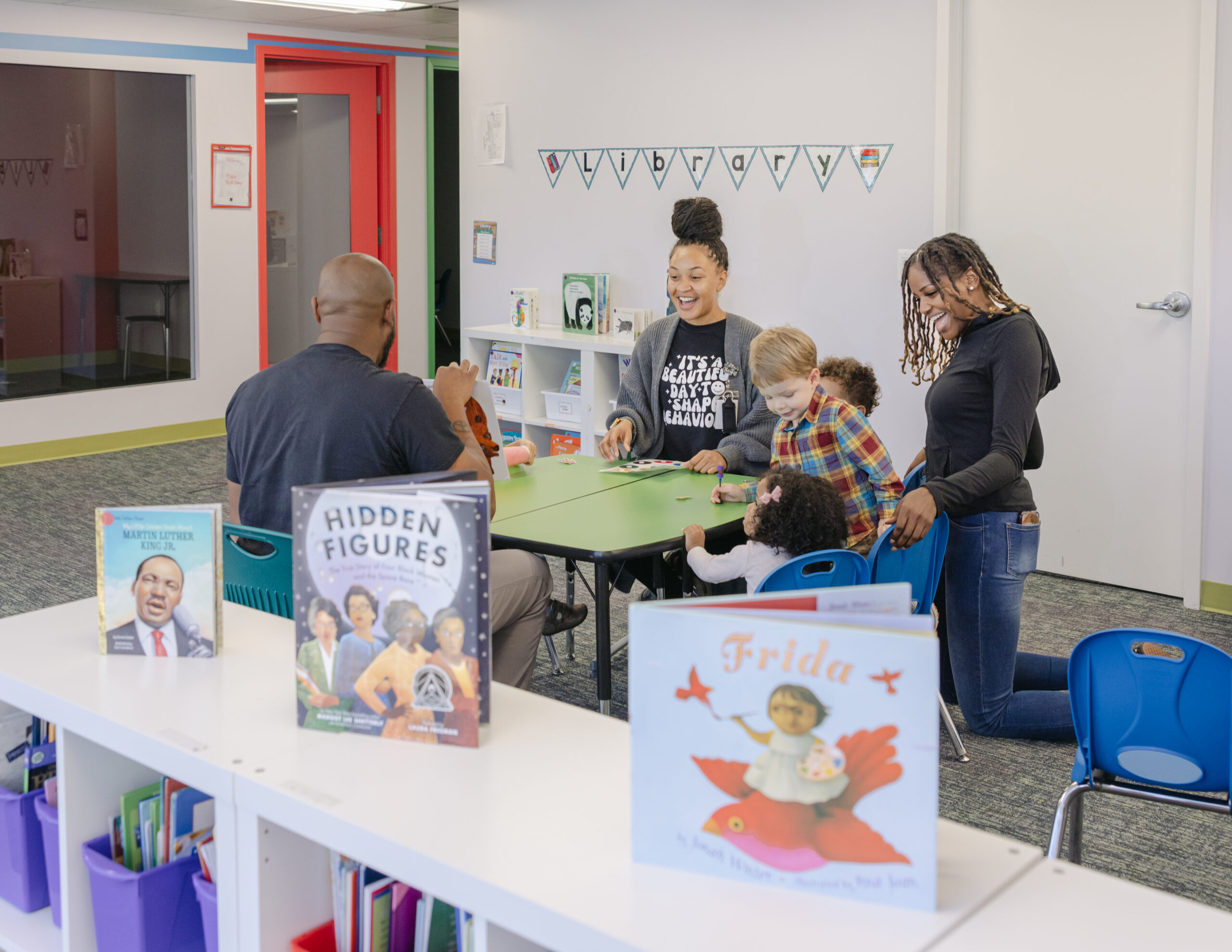
For families, navigating insurance and funding has become almost a full-time job. Having to deal with more paperwork, shorter authorizations, and inconsistent definitions of ‘medical necessity’, it’s exhausting for them.
OB’s response has always been to take that weight off families’ shoulders. Internally, we’ve:
- Strengthened documentation to keep everything clear and accurate.
- Refined review systems to make processes smoother and faster.
- Advocated early and often so families can focus on their kids instead of the red tape.
Dr. Dana feels the field is at a crossroads, but OB has turned these challenges into opportunities for families. Because insurance often requires providers to show specific outcomes before approving services, this can feel arbitrary and stressful for families.
We’ve built alternative pathways—private-pay options, hybrid models, and program partnerships—so families aren’t boxed in by insurance rules.
Strengthening Inside the Clinic
Over the years, OB has grown not just in reach but in maturity, structure, and clarity.
Dr. Dana is proud of the systems and models that allow the team to provide consistent, high-quality support for families. Levels of Independence, Learning Trees, and our Integrated Services model have given families and staff real clarity.
Internal changes have also made collaboration smoother across ABA, speech, psychology, and paraprofessional teams. Leadership pathways are stronger, documentation is cleaner, and the company has shifted from reactive problem-solving to proactive planning, which feels like a huge win for both families and the team.
Expanding Beyond the Clinic
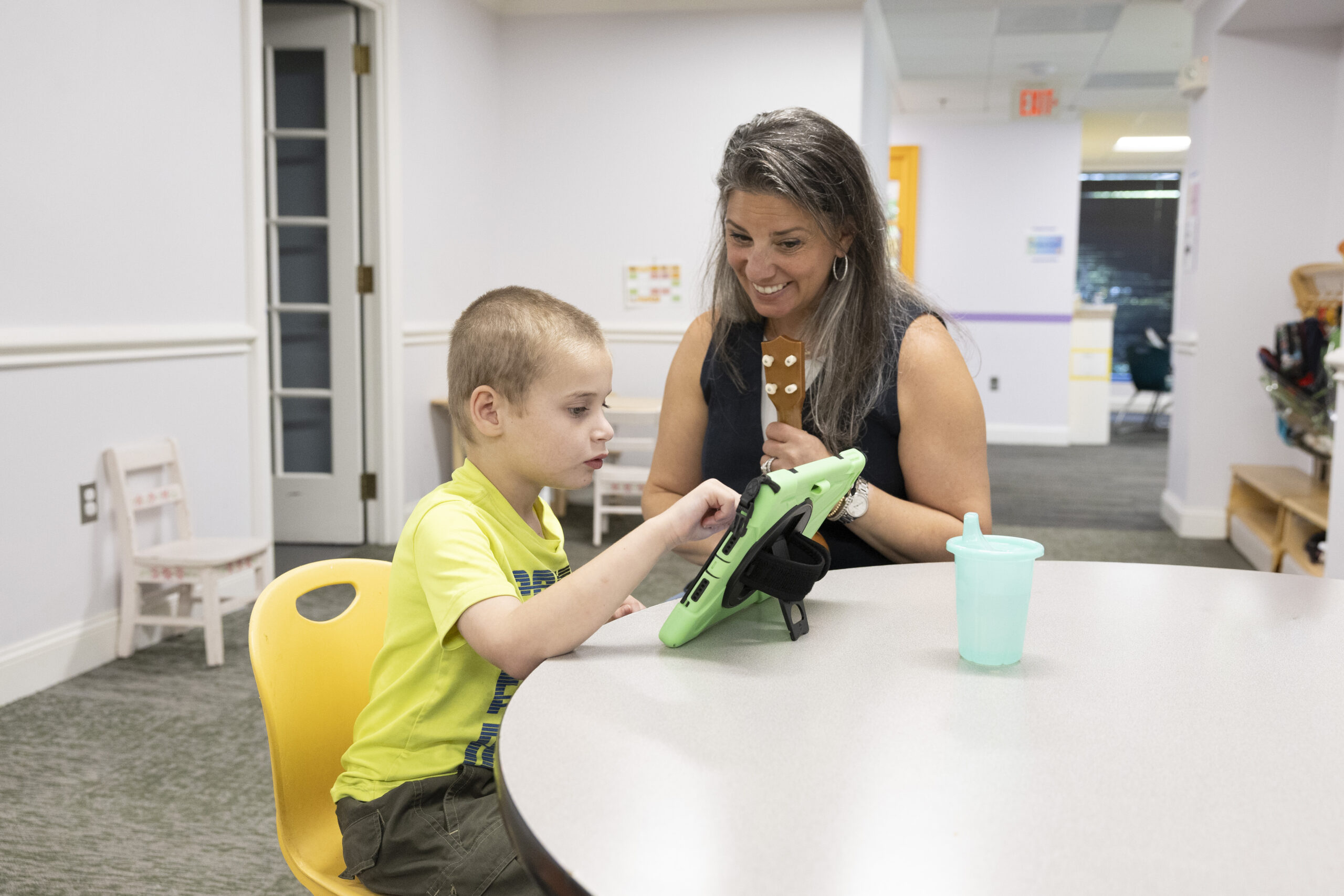
Dana has always believed that real growth happens where kids live, learn, and play, not just in a therapy room. That philosophy has guided OB’s expansion into schools, community programs, and partnerships that go far beyond traditional ABA services.
“Charter schools, micro schools, and homeschool co-ops give us room to build learning environments where neurodivergent kids aren’t an afterthought—they’re the center.”
These partnerships allow Dr. Dana and the team to:
- Support teachers in better understanding how to implement ABA in the classroom
- Create structure for students who need supportive learning environments
- Make learning feel accessible and doable for every child, not just the “easy” ones
Partnering With Schools: Cedar Tree Academy
One of OB’s most impactful expansions has been working directly with schools, like Cedar Tree Academy, to embed support within the school system itself.
This project taught them two key things:
- When school leaders are willing to change, change can happen quickly.
- Most schools truly want to support neurodivergent students but don’t have the tools or training.
By placing OB team members directly in the school environment, teachers gained clarity, confidence, and practical strategies:
- Understanding expectations for neurodivergent students
- Using data to make informed decisions
- Feeling supported rather than overwhelmed
This partnership has confirmed our model works outside the walls of our clinic.
Communication is the Foundation for Growth
More than a therapy provider, Optimal Beginnings acts as the connector to bridge gaps across the different parts of a child’s life.
“Pediatricians get medical information, schools get educational information, families get lived experience—but none of these groups speak the same language.”
OB helps to translate this to ensure every goal and strategy lines up across settings so the child isn’t getting mixed messages. Strong communication is everything. When everyone is on the same page, kids make faster and more meaningful progress.
How Optimal Beginning’s Growth Continues to Support Neurodivergent Communities
B’s future is about replicating what works, giving more families access to a model that truly supports children, schools, and caregivers together.
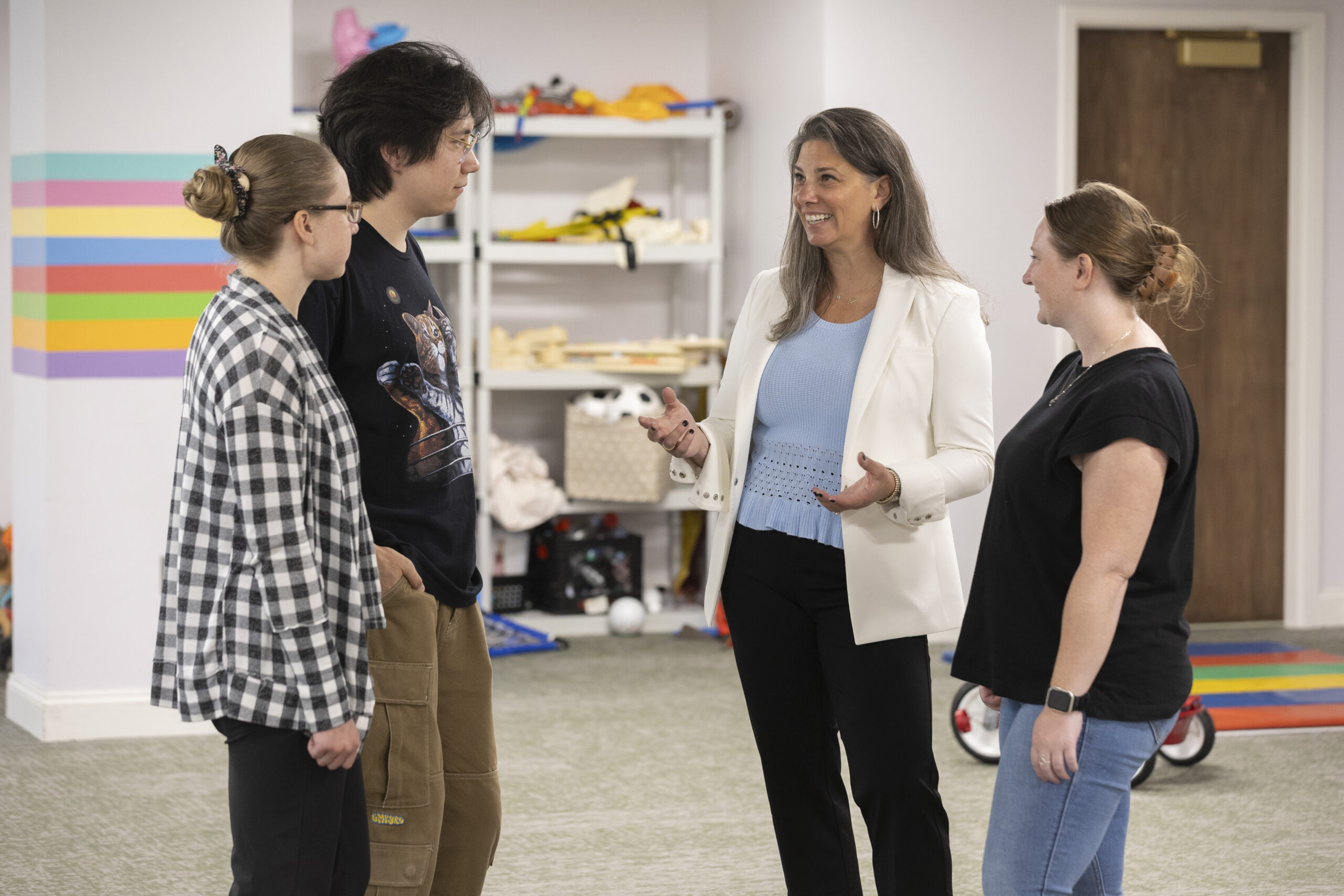
Looking ahead, Dana is energized by expanding OB’s reach even further, with plans of bringing their model into more schools, homes, and communities.. The goal is for OB to become the place families turn to at any point in their journey, not just when they need ABA. The integrated model works, and other communities deserve access to it.
Join the OB Movement
Ultimately, OB’s heartbeat remains the same: advocates for your tomorrow, partners in your today.
OB isn’t just a therapy provider. We walk alongside families, help them make sense of what’s happening, and give them a plan that feels doable– providing relief, clarity, and confidence to families who often feel overwhelmed.
If you’re a parent looking for support for your child, fill out our intake form to get started with a plan that meets your family where you are.
If you’re a school, homeschool co-op, or provider interested in partnership opportunities, give us a call at one of our offices (VA: 703-429-1853, MD: 301-718-1716) to explore how we can collaborate to support children and families together.
To learn more about Optimal Beginnings and how Dr. Dana and our team can support your family, visit our website and fill out the intake form to get started today.